“Preventing clogged drains and plumbing issues starts with small, consistent habits that protect your home from stressful and costly problems. Keep hair, grease, food scraps, and unwanted materials out of your drains, and pay attention to early warning signs like slow drainage, odors, and gurgling sounds. Regular maintenance can keep your plumbing flowing smoothly and give you greater peace of mind. A little care today can save you from a frustrating plumbing emergency tomorrow.”
A clogged drain may begin with something as simple as a small amount of standing water or a sink that drains more slowly than usual. It is easy to dismiss these signs, especially when everything else in the home seems to be working normally. But small plumbing problems can become frustrating, messy, and expensive when they are ignored.
The good news is that most common drain problems can be reduced with a few thoughtful habits and regular maintenance. By understanding the causes of blockages, recognizing early warning signs, and taking preventive steps, homeowners can protect their plumbing systems and enjoy greater peace of mind.
Understanding Why Drains Become Clogged
The Hidden Causes of Plumbing Blockages
Every day, drains carry water, soap residue, food particles, hair, grease, and other materials away from the home. Over time, some of these substances can stick to the inside of pipes and collect additional debris.
Hair is one of the most common causes of bathroom drain blockages. Soap scum can combine with hair and mineral deposits to create stubborn buildup. In kitchens, grease and food particles can accumulate inside pipes and gradually restrict water flow.
Toilets can also develop blockages when too much paper is flushed or when inappropriate items enter the plumbing system. A drain rarely becomes completely blocked without warning. In many cases, the plumbing system provides clues long before the water stops flowing altogether.
The Most Effective Ways to Prevent Clogged Drains
1. Use Drain Strainers
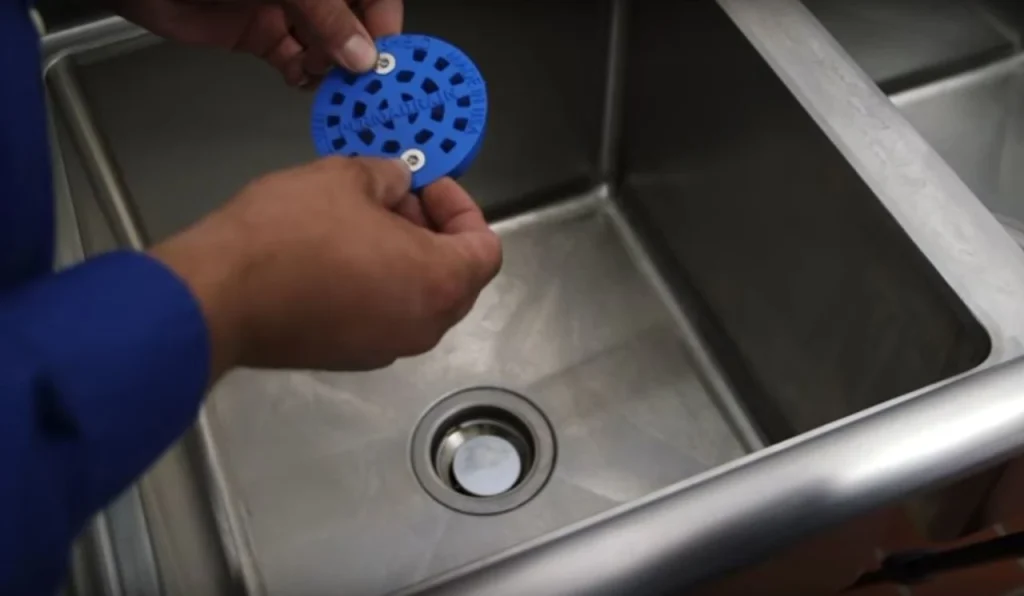
One of the easiest ways to prevent blockages is to stop debris before it enters the pipes. Place strainers over kitchen and bathroom drains to catch food particles, hair, soap residue, and other materials. Empty and clean the strainers regularly so they do not become another source of buildup. This small step can make a surprisingly large difference over time.
2. Never Pour Grease Down the Drain
Grease may look harmless when it is warm and liquid, but it can become a serious plumbing problem as it cools. Instead of pouring cooking oil, fat, or grease into a sink, let it cool and dispose of it properly. Even small amounts can stick to pipe walls and collect food particles, eventually reducing the diameter of the pipe. Protecting your kitchen plumbing starts with being careful about what goes down the sink.
3. Keep Hair Out of Bathroom Drains
Hair can quickly become tangled inside bathroom plumbing. When combined with soap and other residue, it can form dense clumps that restrict water flow. A drain guard or hair catcher provides a simple barrier. Clean it frequently, particularly in households where several people use the same shower or bathtub. A few seconds of prevention can save hours of frustration later.
4. Be Careful About What You Flush
Toilets are designed to handle human waste and toilet paper, not every disposable item found in a bathroom. Avoid flushing wipes, paper towels, cotton products, hygiene products, tissues, and other materials that can expand or fail to break down properly. Teaching everyone in the household what belongs in the toilet can prevent unnecessary plumbing emergencies.
5. Avoid Sending Food Scraps Into the Sink
Even when a kitchen sink has a disposal system, large amounts of food waste can contribute to plumbing problems. Scrape plates into the appropriate waste container before washing them. Be especially cautious with fibrous foods, large scraps, coffee grounds, and materials that can expand or stick inside pipes. Keeping solid waste out of the plumbing system is one of the simplest forms of kitchen drain maintenance.
Recognizing Early Warning Signs
Slow Drainage
A sink, bathtub, or shower that drains more slowly than normal may be showing the first signs of a developing blockage. Do not wait until the water stops moving completely. Investigating a slow drain early can help prevent a minor buildup from becoming a major obstruction.
Gurgling Sounds
Unusual gurgling or bubbling noises may indicate that water and air are struggling to move through the plumbing system. These sounds should not automatically be treated as an emergency, but recurring noises deserve attention, especially when combined with slow drainage or unpleasant odors.
Unpleasant Drain Odors
Persistent odors can indicate trapped organic material, stagnant water, or buildup inside the plumbing. Cleaning the visible drain area may help with minor smells, but recurring odors can indicate a deeper problem that requires further investigation.
Water Backing Up
Water that rises in a sink, tub, shower, or floor drain is a stronger warning sign. If multiple fixtures begin draining slowly or backing up at the same time, the issue may involve a larger section of the plumbing system. At this stage, repeated DIY attempts may not solve the underlying problem.
Safe Drain Maintenance Techniques
Preventive maintenance does not have to mean using harsh chemicals every time a drain slows down.
Flush With Hot Water
Periodically running hot water through appropriate drains can help wash away some soap residue and light buildup. However, extremely hot or boiling water is not suitable for every type of plumbing system or pipe material, so homeowners should follow the recommendations applicable to their plumbing.
Clean Drain Covers Regularly
Remove visible hair, soap residue, and debris from drain covers and strainers. This keeps water moving freely and prevents material from traveling farther into the plumbing system.
Consider Enzyme-Based Maintenance Products
For certain types of organic buildup, enzyme-based drain maintenance products may provide a gentler alternative to aggressive chemical drain cleaners. Always read and follow the product instructions and make sure the product is compatible with your plumbing.
Use a Plunger for Minor Blockages
A properly sized plunger can often help with simple, localized blockages. Creating a good seal and using controlled pressure is more effective than repeatedly plunging without technique. If the blockage does not respond or returns quickly, stop forcing the issue and consider professional evaluation.
Why Chemical Drain Cleaners Require Caution
Chemical drain cleaners may appear to offer a quick solution, but they are not always the best choice for routine plumbing maintenance. Some products contain powerful ingredients that can damage certain plumbing components when used improperly or repeatedly. They can also create safety concerns if mixed with other cleaning products. Instead of relying on harsh chemicals as a first response, focus on prevention, mechanical methods, and appropriate professional assistance when necessary.
Creating a Simple Plumbing Maintenance Routine
A consistent routine can make drain protection much easier.
Weekly Maintenance
Check drain strainers and remove accumulated debris. Look for changes in water flow and pay attention to unusual smells or noises.
Monthly Maintenance
Inspect frequently used sinks, showers, and tubs for buildup. Clean visible drain components and review household habits that could be contributing to blockages.
Seasonal Maintenance
Look beneath sinks for moisture, corrosion, or unusual odors. Check exposed pipes and fixtures for signs of leaks or deterioration. Seasonal inspections can help identify plumbing issues before they become disruptive.
Annual Plumbing Check
A periodic professional inspection can be particularly useful for older plumbing systems, properties with recurring drain problems, or homes where several fixtures have experienced drainage issues. Preventive attention can help identify developing problems before they result in extensive water damage or plumbing repairs.
Common Plumbing Habits That Should Change
Some plumbing problems are caused less by the condition of the pipes and more by everyday habits. Avoid treating sinks as trash cans. Do not pour grease down drains. Keep hair and solid debris out of bathroom plumbing. Do not flush items that are not designed to go through the toilet. It is also important to respond to small warning signs rather than repeatedly ignoring them. A slow drain today could become a completely blocked drain tomorrow.
When DIY Drain Cleaning Is Not Enough
Some blockages are relatively simple, while others are symptoms of a deeper plumbing problem.
Consider seeking professional assistance when:
- A blockage keeps returning after cleaning.
- Several drains are slow at the same time.
- Water backs up into another fixture.
- You notice persistent sewage odors.
- You hear recurring gurgling sounds.
- A plunger or basic cleaning method does not resolve the issue.
- You suspect a damaged or collapsed pipe.
- You notice unexplained moisture, leaks, or water damage.
Recurring clogs are especially important to investigate. Clearing the blockage may provide temporary relief while leaving the underlying cause untouched.
Protecting Your Home From Larger Plumbing Problems
Drain maintenance is not simply about keeping water moving. It is about protecting the entire plumbing system. Persistent blockages can place additional stress on pipes and fixtures. Backups can create unpleasant odors, unsanitary conditions, and potential water damage. In difficult situations, neglected plumbing problems can become significantly more disruptive and costly. The most effective approach is proactive: prevent debris from entering drains, pay attention to warning signs, maintain fixtures regularly, and address recurring problems before they escalate.
Final Thought
A healthy plumbing system is easy to take for granted until something goes wrong. The frustration of standing water, the worry of a sudden backup, and the expense of an unexpected repair can often be reduced through simple, consistent habits. Using drain strainers, keeping grease and debris out of pipes, watching for early warning signs, and maintaining your plumbing regularly can go a long way toward preventing clogged drains and larger plumbing issues. You do not have to wait for a plumbing emergency to take action. A little attention today can protect your home, your plumbing, and your peace of mind tomorrow.
Frequently Asked Questions
1. What is the best way to prevent clogged drains?
The best approach is to prevent debris from entering your plumbing. Use drain strainers, dispose of grease properly, keep hair out of bathroom drains, avoid flushing inappropriate items, and maintain your drains regularly.
2. Why does my drain keep getting clogged?
Recurring clogs may result from repeated debris buildup, grease accumulation, excessive hair, mineral deposits, improper disposal habits, or a deeper issue within the plumbing system.
3. How can I prevent hair from clogging my shower drain?
Install a hair catcher or drain strainer and clean it frequently. Removing hair before it enters the pipe is much easier than dealing with a blockage farther inside the plumbing.
4. Is it safe to pour grease down the kitchen sink?
No. Grease and cooking fats can cool inside pipes, stick to their surfaces, and collect additional debris. Dispose of grease appropriately instead of putting it down the drain.
5. Are slow drains a serious plumbing problem?
A slow drain is often an early warning sign rather than an immediate emergency. However, recurring or worsening slow drainage should not be ignored because it may indicate developing buildup or another plumbing issue.
6. Can I use baking soda and vinegar to clean my drains?
These household ingredients are commonly used for light maintenance, but they should not be viewed as a universal solution for serious blockages. Persistent clogs require a more appropriate diagnostic or cleaning method.
7. How often should drains be maintained?
Basic drain maintenance should be performed regularly, with strainers cleaned as needed and visible plumbing components inspected periodically. Homes with heavy plumbing use or recurring problems may require more frequent attention.
8. What should never be flushed down a toilet?
Avoid flushing items such as wipes, paper towels, cotton products, hygiene products, and other materials that are not specifically designed to break down in a toilet and sewer system.
9. When should I call a professional for a clogged drain?
Professional help is appropriate when a blockage does not respond to basic methods, keeps returning, affects multiple fixtures, causes backups, or is accompanied by leaks, sewage odors, or unusual plumbing noises.
10. Can regular plumbing maintenance save money?
Yes. Preventive maintenance can help identify developing problems earlier and reduce the likelihood of severe blockages, water damage, and emergency repairs. While not every plumbing failure can be prevented, good maintenance can reduce avoidable problems.